

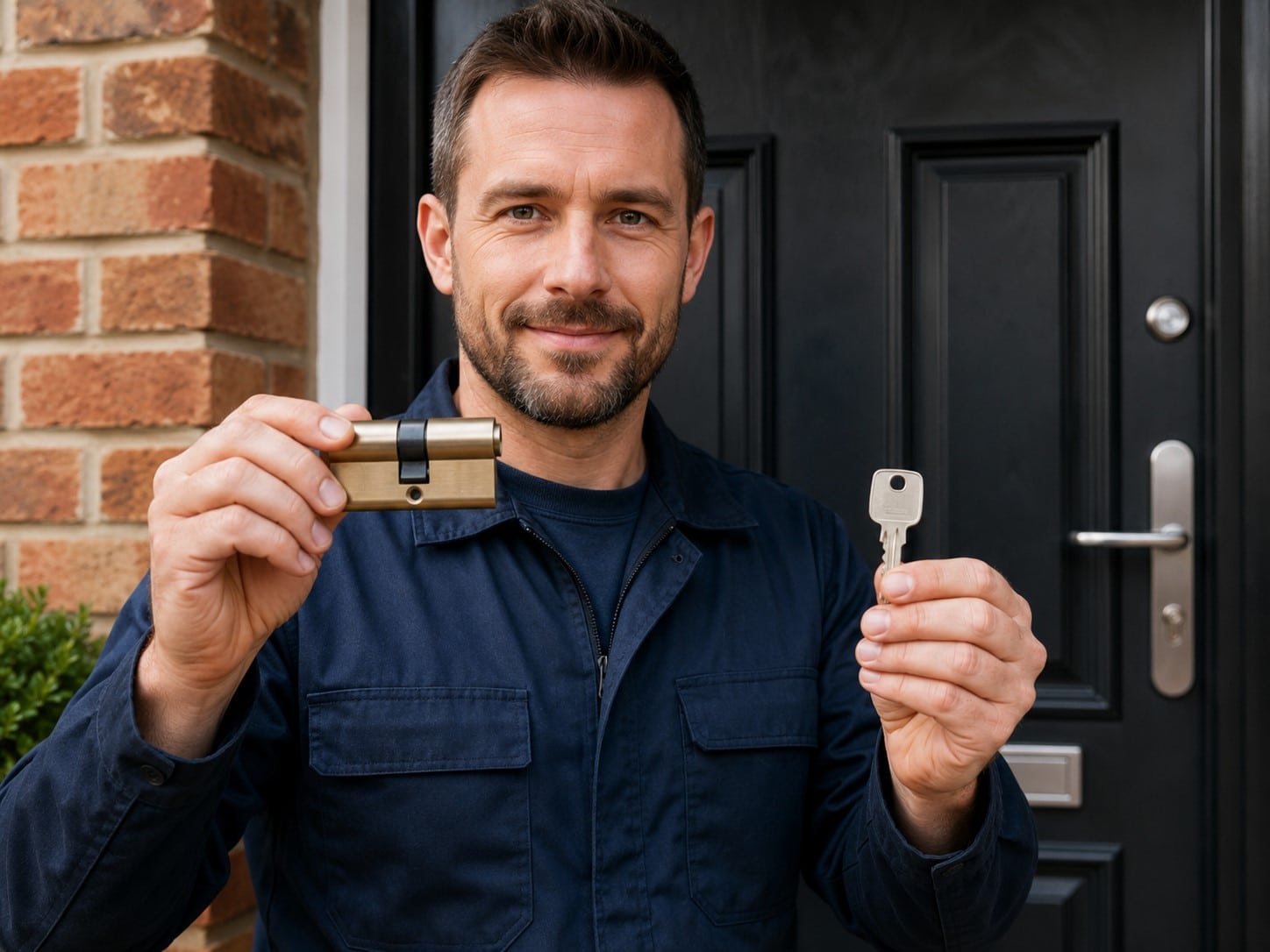
Moving into a new home in Denver means inheriting a set of locks and a complete unknown about how many copies of the key exist. The previous owners may have given a spare to a neighbor, a house cleaner, a dog walker, or a contractor. There’s no way to know, which means that technically, the lock on your front door isn’t securing your home the way it should be on your first night there.
Rekeying is the solution most Denver homeowners overlook because it sounds more complicated than it is. It’s not. A locksmith changes the internal pins of the existing lock cylinder so that old keys no longer work, and your new keys are the only ones that do. No hardware replacement, no drilling, no mess. The lock you already have becomes a lock only you control.
This guide covers what rekeying involves, when it makes more sense than a full lock replacement, and how to choose the right locksmith in Denver to handle it correctly the first time.
Why New Denver Homeowners Should Rekey First
The Denver metro area has seen steady population growth and a busy real estate market in recent years. Properties in Capitol Hill, Baker, Park Hill, and Wheat Ridge frequently sell quickly and change hands multiple times over a decade, which means the key history for any given lock can be extensive and largely untraceable. This isn’t about distrust of previous owners. It’s about the fact that key copies are made and distributed without anyone keeping records.
Denver Police Department crime prevention resources note that a significant portion of residential break-ins involve entry through unlocked or insufficiently secured doors. Rekeying doesn’t just protect you from people who might have unauthorized copies of your key. It also gives you a fresh starting point for managing access to your home, which matters as you add family members, hire service contractors, or set up a key system for house guests.
The cost difference between rekeying and replacing is substantial, and most newly moved Denver homeowners don’t realize they have a choice. A professional rekeying service runs significantly less than full lock replacement while providing identical security outcomes when the existing hardware is still in good working condition.
What the Lock Rekeying Process Actually Involves
Rekeying is a precision mechanical service. A locksmith removes the cylinder from the lock body, disassembles it, replaces the internal key pins with a new set matched to a new key cut, and reassembles everything. The process takes 15 to 20 minutes per lock for a trained technician.
The result is a lock that operates exactly as it did before, except with different keys. All previously existing keys become inoperable immediately. This is why rekeying is the standard recommendation after a move, after a roommate situation ends, or after a key is lost in circumstances where you’re uncertain whether it might be used against you.
One practical advantage of rekeying multiple locks at once is keying them alike. Meaning one key operates all the rekeyed locks in the home. Many Denver homeowners use the move-in rekeying appointment to consolidate what might have been three or four different keys for the same property into a single key that works on every door. Star-Keys handles this as part of standard residential locksmith service across the Denver metro area.
Rekeying vs. Lock Replacement: How to Decide
The decision between rekeying and replacing hinges on the condition and quality of the existing hardware. If the lock operates smoothly, the keyway is in good condition, and the deadbolt engages cleanly with the strike plate, rekeying is almost always the right call. If the lock is worn, stiff, misaligned, or simply a low-quality brand that you wouldn’t have chosen yourself, replacement makes more sense.
| Factor | Rekey | Replace |
| Cost | Lower (hardware stays) | Higher (new lock required) |
| Time on-site | 15-20 minutes per lock | 30-45 minutes per lock |
| When lock is worn or damaged | Not recommended | Correct approach |
| When upgrading security grade | Not applicable | Correct approach |
| After a move with unknown key history | Ideal solution | Optional but not required |
| After a break-in or forced entry | Not sufficient | Required |
A locksmith who inspects the existing hardware on-site can tell you within a few minutes whether rekeying is appropriate or whether the condition of the lock warrants replacement. Star-Keys technicians carry both rekeying tools and replacement hardware on every service call, so the right solution can be applied on the spot rather than scheduling a return visit.
Preventing Lock Issues Before They Become Emergencies
Rekeying at move-in is a one-time action that pays dividends for as long as you live in the property. But it’s not the only time rekeying makes sense. Any change in who holds a key is a reason to consider a rekey: a house guest who kept a copy, a contractor who had temporary access, a roommate who moved out. Each of those situations leaves the security of your home dependent on someone else’s behavior, which is an unnecessary variable to carry.
Scheduling periodic security reviews with a local Denver locksmith – not just when something breaks – keeps you ahead of the problem. Star-Keys provides emergency lockout service around the clock, but the most cost-effective calls are the preventative ones made during regular hours before access control becomes a problem rather than a crisis. You can verify the license status of any Colorado locksmith before scheduling service through the Colorado Division of Regulatory Agencies license lookup.
FAQ – Lock Rekeying in Denver
How much does it cost to rekey locks in Denver?
Rekeying typically costs between $15 and $25 per lock cylinder for the rekeying service itself, plus a standard service call fee that varies by provider and time of day. Most Denver homeowners rekeying three to four locks at move-in complete the appointment for under $150 total. Full lock replacement starts around $100 to $200 per lock depending on the hardware grade, which makes rekeying the significantly more economical choice when the existing locks are in good condition. Star-Keys provides a quote before starting any work so you know the total cost before anything is done.
Can I rekey my locks without calling a locksmith?
Rekeying kits are available for some lock brands, but using them correctly requires understanding pin stack configurations, having the right pin set for your specific cylinder, and reassembling everything in the correct sequence. Errors result in a lock that doesn’t operate smoothly, a key that turns inconsistently, or a cylinder that needs professional repair anyway. For a single lock on a low-stakes interior door, a DIY attempt might be reasonable. For front door deadbolts and main entry points, professional rekeying is the practical choice because the cost of fixing a DIY rekeying error typically exceeds the cost of having it done right the first time.
Should I rekey or replace locks after a break-in?
After a forced entry, the door frame and lock hardware both need assessment before any decision is made. Forced entry typically damages the strike plate, the door frame, or the lock body itself – sometimes all three. Rekeying a damaged cylinder restores the key control but doesn’t address the structural vulnerabilities that allowed the break-in to succeed. In most post-break-in situations, full lock replacement combined with strike plate reinforcement is the correct approach. A technician on-site can assess what actually needs to be replaced versus what’s still sound.
How long does a Denver locksmith take to rekey multiple locks?
A typical move-in rekeying appointment covering three to four locks takes 45 minutes to an hour on-site. Homes with more complex lock configurations, non-standard keyways, or high-security cylinders may take longer. If you want all rekeyed locks to operate on the same key, the technician accounts for this during the appointment by selecting compatible pin stacks across all cylinders. Star-Keys schedules rekeying appointments across the Denver metro area, including Capitol Hill, Aurora, Lakewood, Arvada, and surrounding communities.